
Our lab focuses on two major research themes: Plant Functional Ecology and Ecological Restoration. We integrate plant physiology, evolutionary ecology, and ecosystem science to address fundamental and applied questions about plant responses to environmental stress. Much of our work addresses how responses to moisture stress interact with other stressors like acids, metals, or salts. Such harsh environments occur naturally, such as peat bogs, while others are the result of anthropogenic disturbance such as industrial contamination. Projects involve field observations in a variety of habitats, and controlled greenhouse and field experiments.
PLANT FUNCTIONAL ECOLOGY
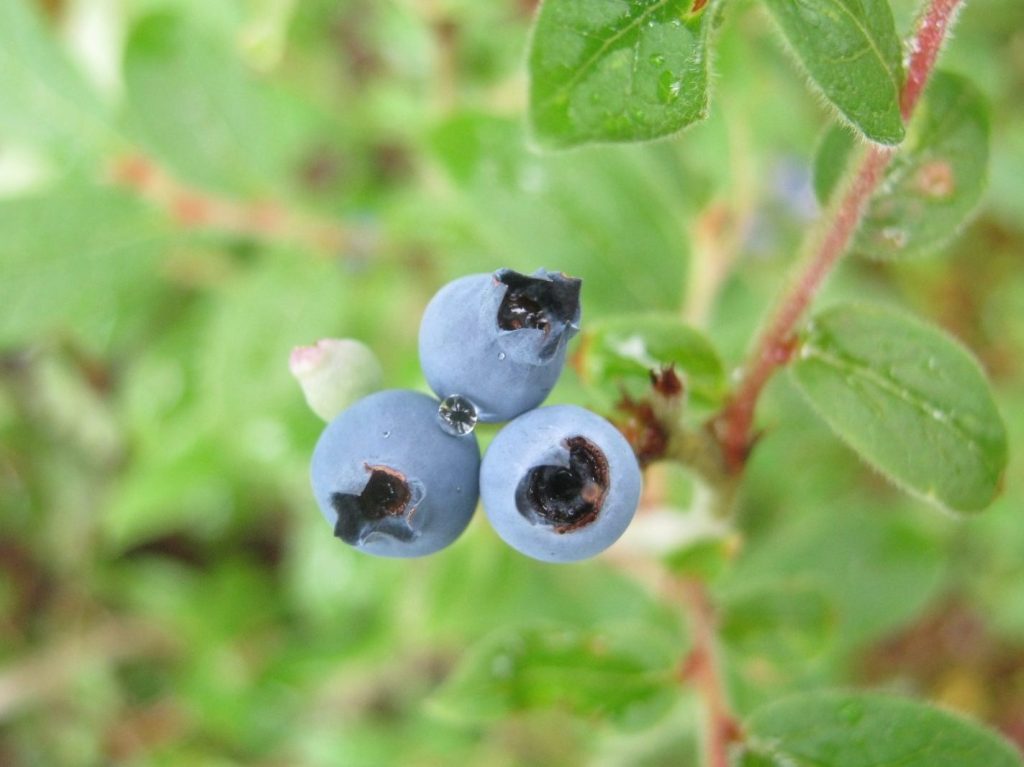
Understanding how plants respond and adapt to environmental stress, with a focus on plant water relations and ionic stress from acids, metals, and salt.
Key Projects:



ECOLOGICAL RESTORATION
Developing innovative methods to restore degraded ecosystems.
Key Projects:
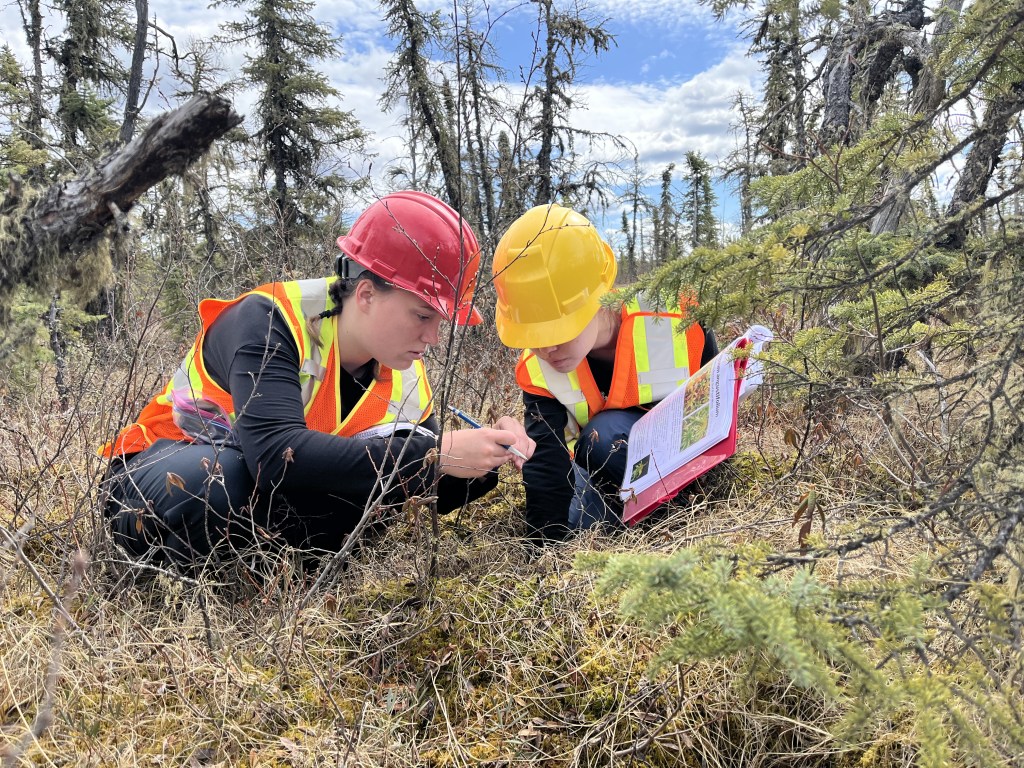
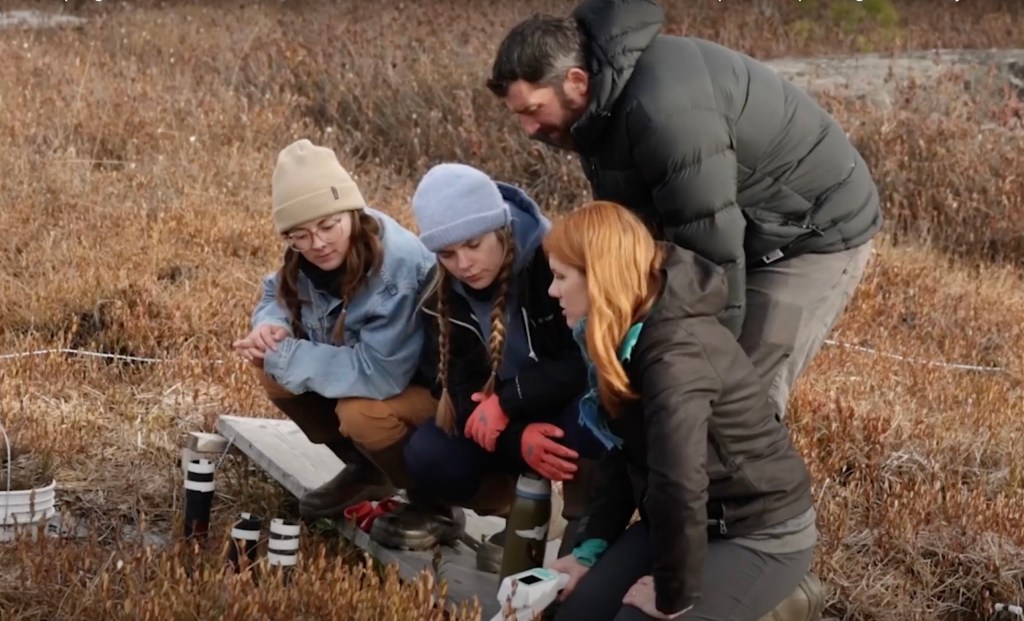
Restoring Contaminated Peatlands
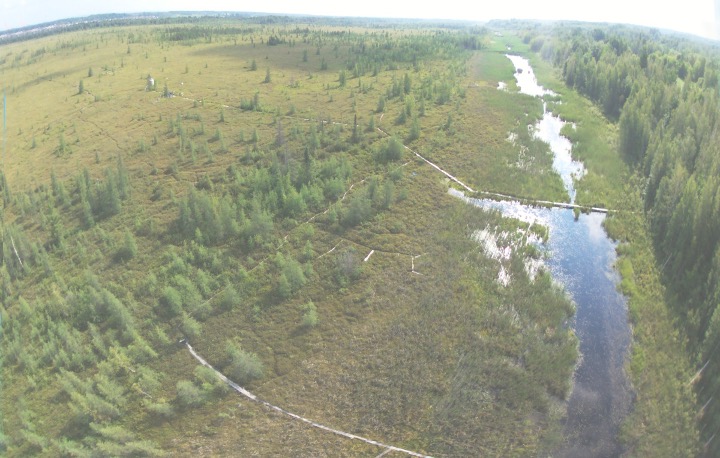
Peatlands are wetland ecosystems with distinct soil structure and chemistry that supports unique ecological communities and regional biodiversity, including rare and threatened plant and animal species. Peatlands are also globally important carbon sinks, storing approximately one-third of the world’s terrestrial soil carbon. In Canada, peatlands cover an estimated 120 million hectares of land surface, the second largest cover of peatlands in the world. Many Canadian peatlands are impacted by industrial resource extraction such as metal and oil mining and horticultural peat harvesting. We are working to restore post-industrial peatlands to return their biodiversity and carbon sink function.
Ontario: Restoring metal contaminated peatlands. More info here: SudburyPeatlands
Alberta Oil Sands: Restoring boreal peatlands after oil and gas seismic line exploration. Boreal Ecosystem Recovery and Assessment Project beraproject.org



Restoring Acid-Impacted Habitats
Many landscapes are still negatively impacted by acid rain and other sources of toxic acidity, including sulphuric acid. Many forests and lakes in Nova Scotia suffer from acidity, with detrimental impacts on plant and animal health and biodiversity. We are working to restore acid-impacted habitats in Nova Scotia to return their biodiversity and functions.




 The Goud Lab